Beginnings as a church
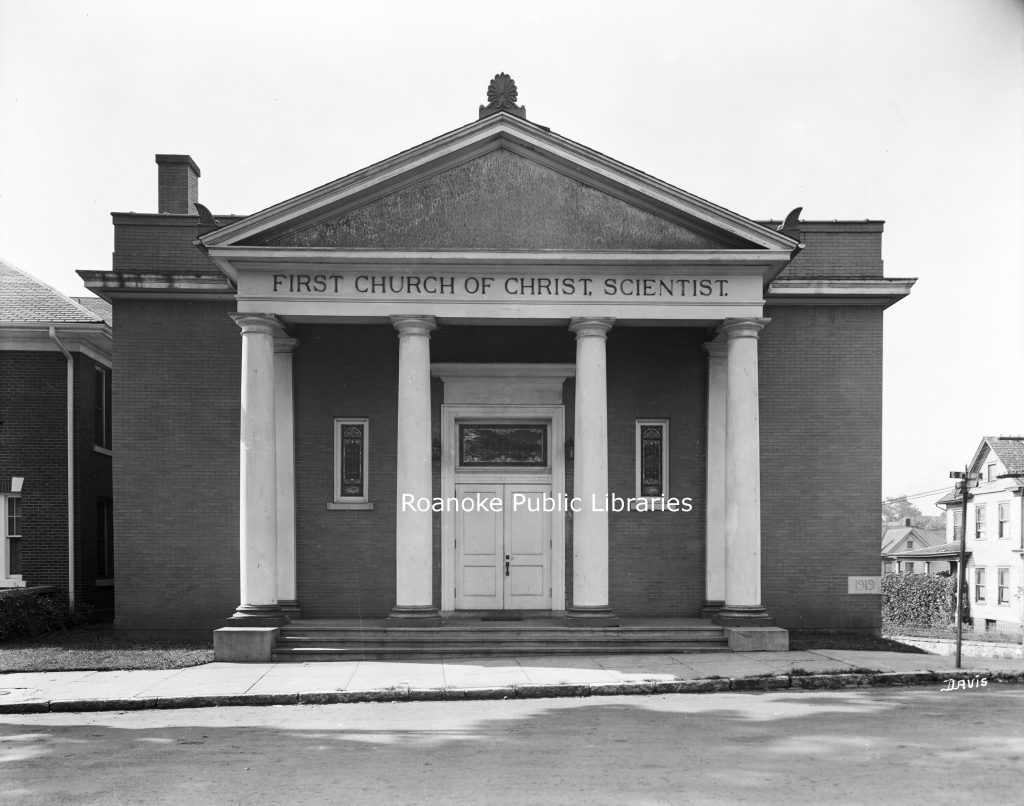
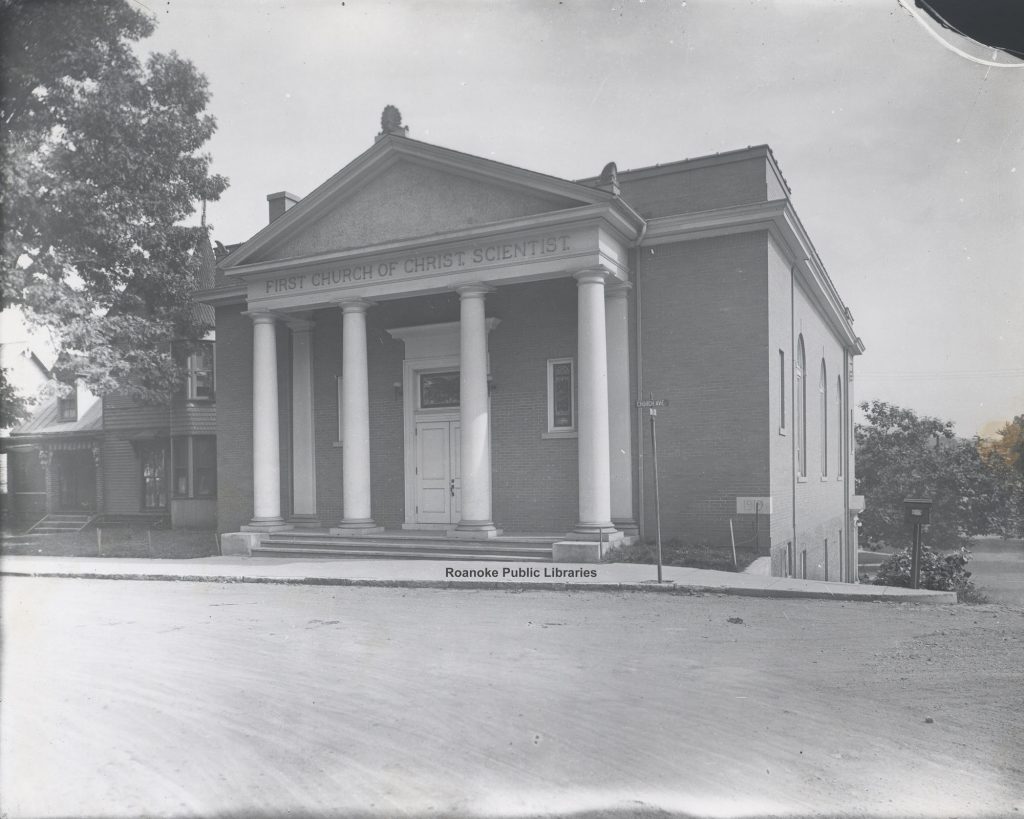
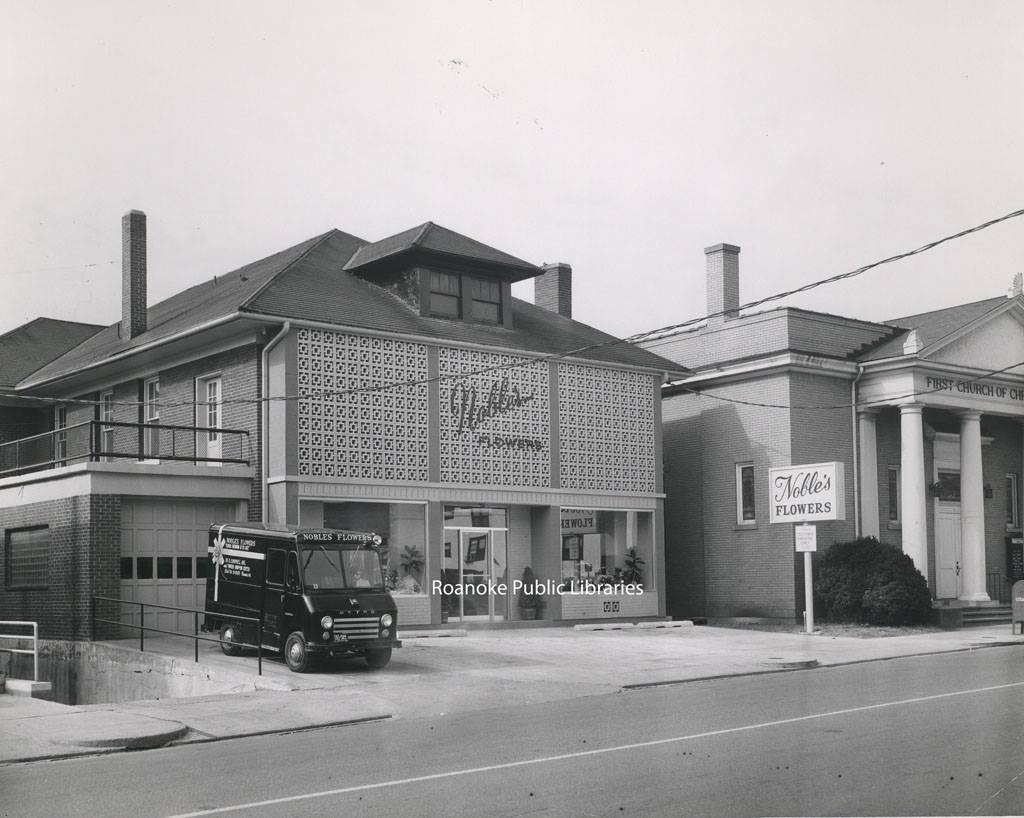
The photo to the left shows 434 Church Ave as it was in 1920 as taken by George C. Davis, and again in 1928 in the above photo.
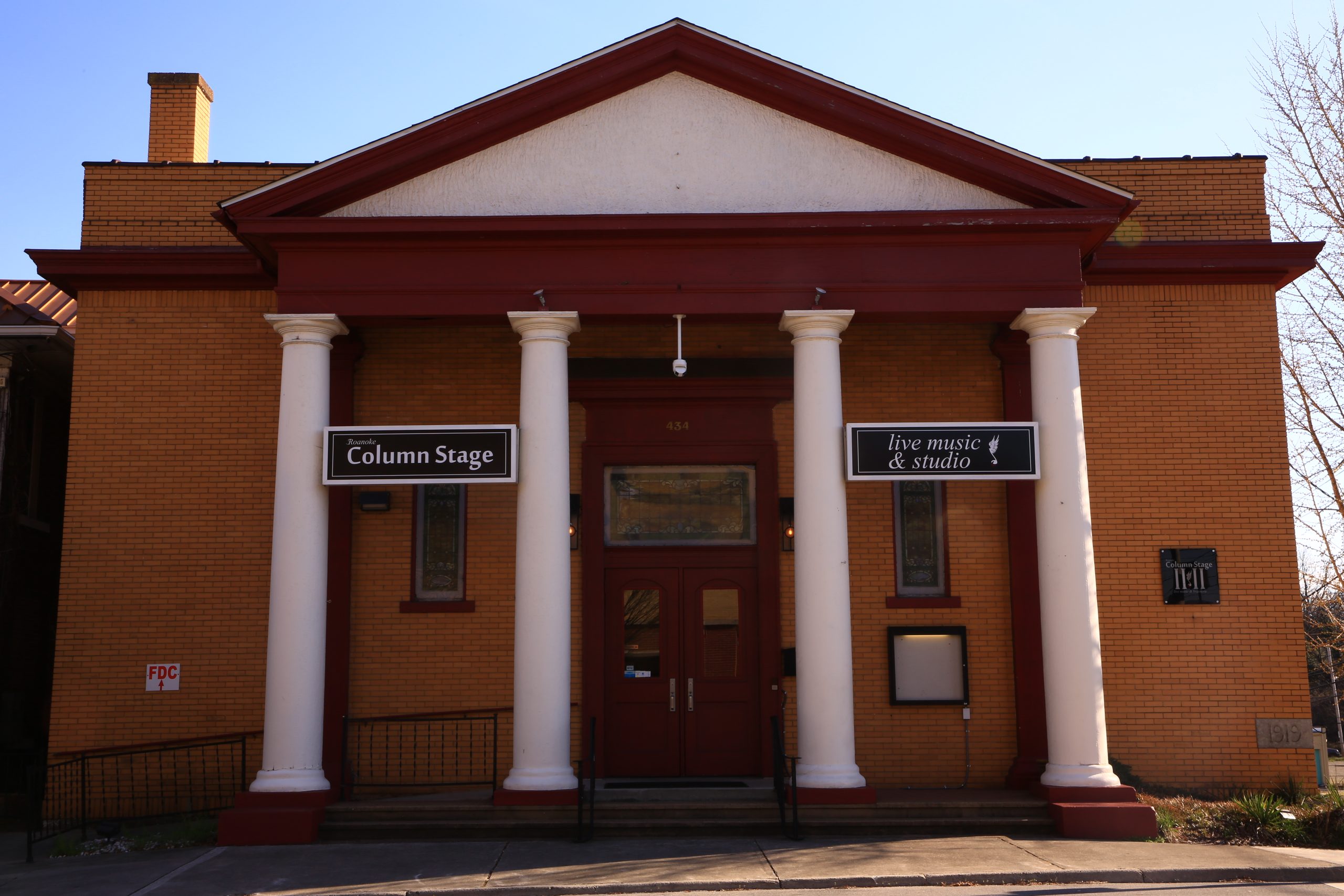
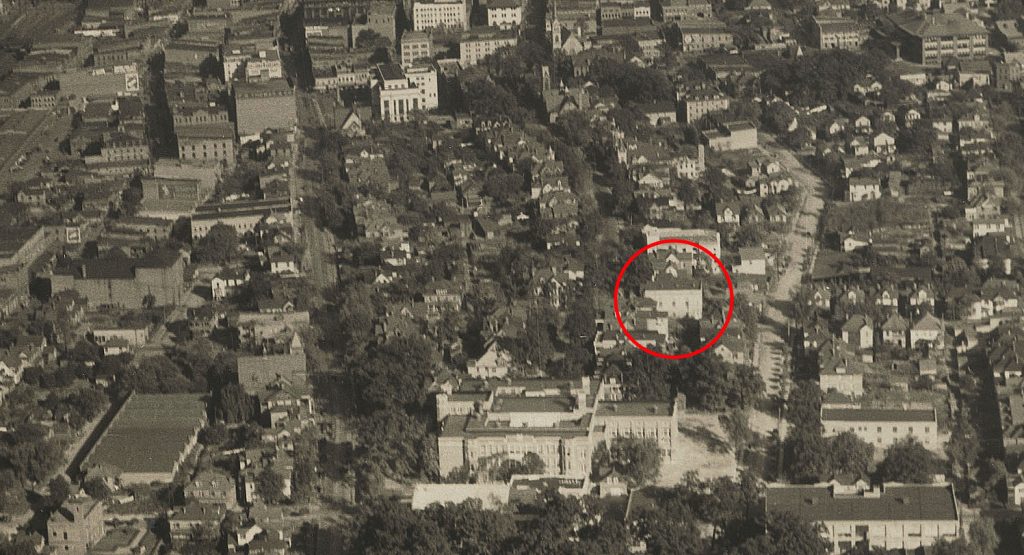
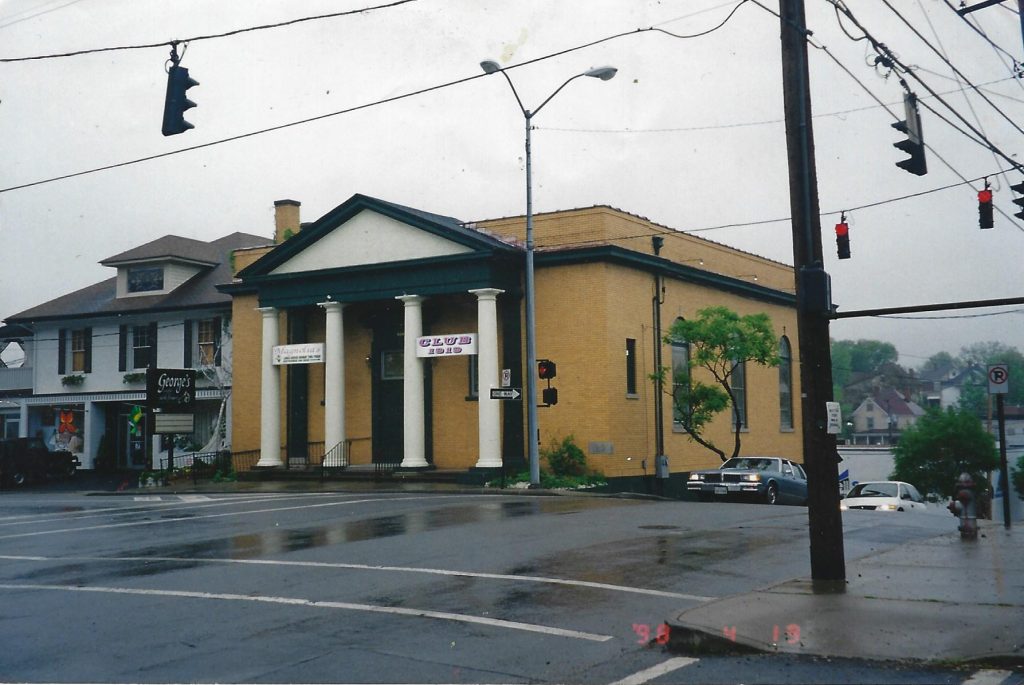
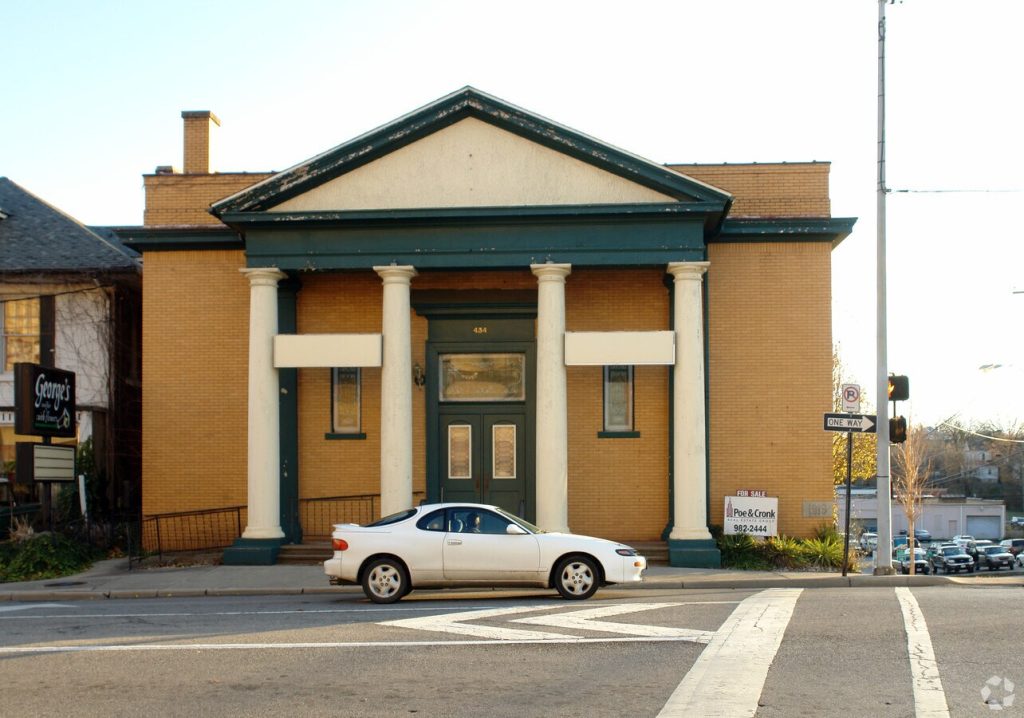
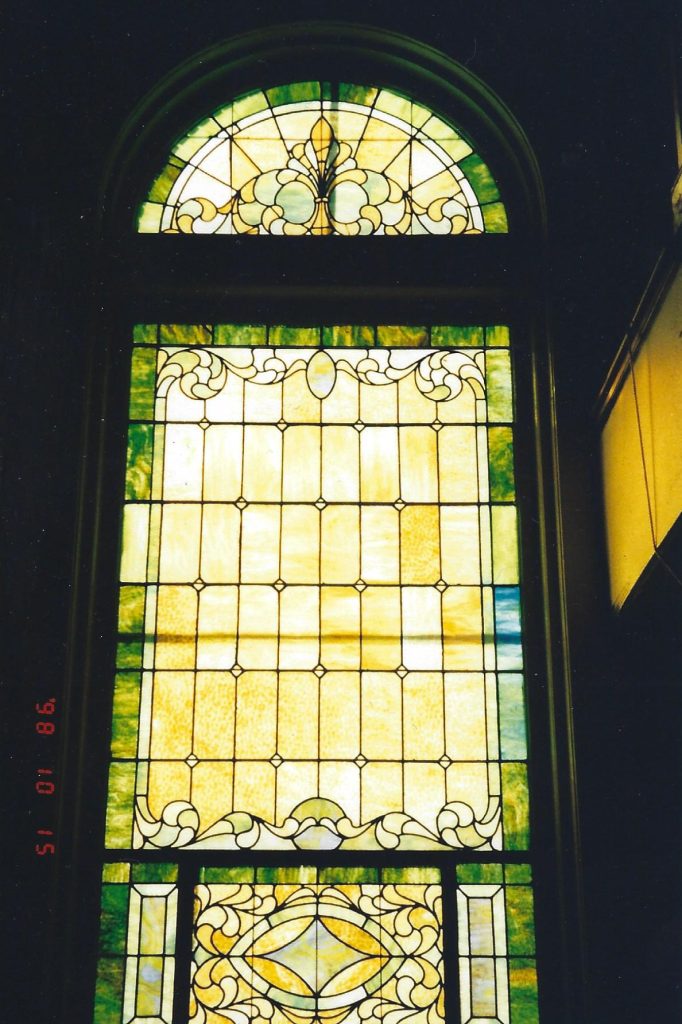
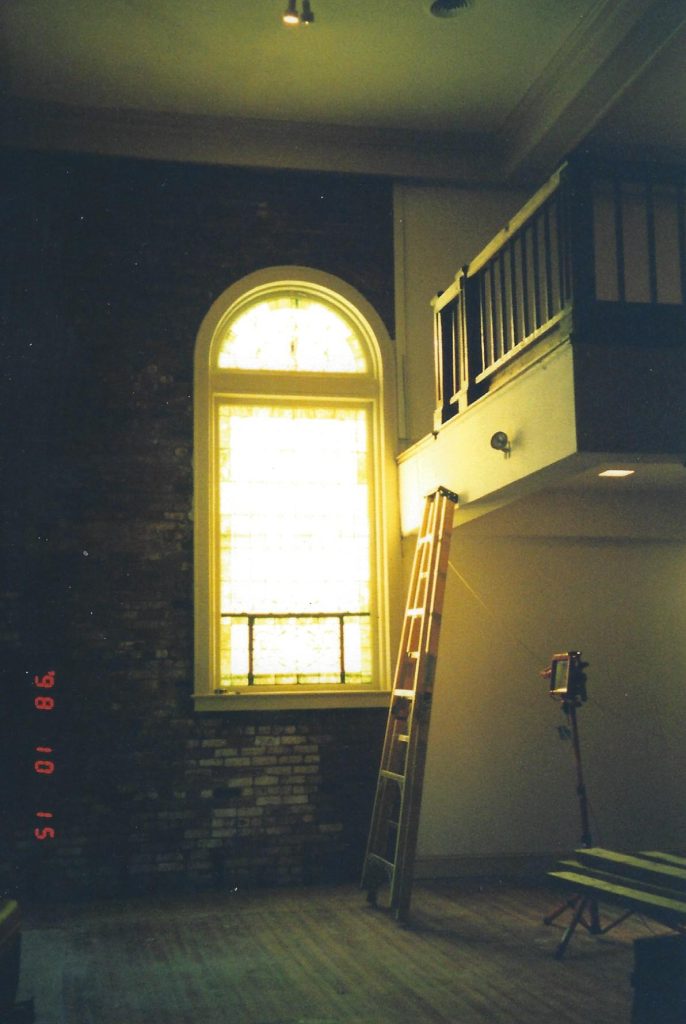
Located at 434 Church Avenue SW, the building was constructed in 1919 as the Church of Christian Science, designed in the Classical Revival style. It formed part of an early 20th-century stretch of Church Avenue that, while still largely residential, became defined by a concentration of churches and religious institutions. Nearby landmarks such as the First Christian Church and the Central Church of the Brethren helped establish the corridor as the heart of spiritual and community life in downtown Roanoke.
By the mid-20th century, the surrounding area was transitioning toward commercial use, a shift reflected in the building’s changing function. After its years as a house of worship, the property passed through a series of owners that mirrored the neighborhood’s broader evolution.
From 1968 to 1983, the building was owned and operated by Gladys Howard Abbe and her husband Edward Abbe, who established the nonprofit organization Help, Inc. in the space. Gladys, an accomplished musician, educator, and dedicated civic leader, was widely recognized for her philanthropic work, including efforts such as Toys for Tots, and was honored by the Roanoke Merchants Association as Mother of the Year in Arts and Sciences in 1966. Together, she and Edward were deeply involved in both their church and the broader community, and their shared love of music often carried into the building itself, where performances and gatherings reinforced its role as a place of connection and culture.
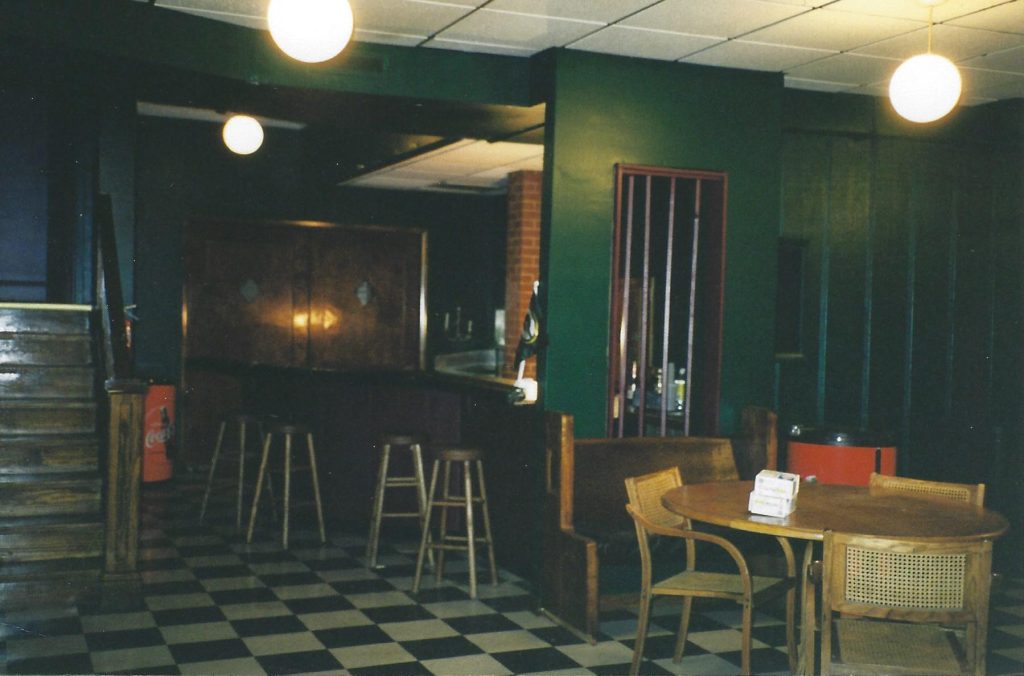
In 1983, the property transitioned to new ownership under the Howard brothers, who operated Howard’s Soup Kitchen. The building functioned primarily as a diner on the lower level while hosting events in the main hall, and during this period further updates—including the addition of a commercial kitchen—adapted the space for its role in the city’s growing service economy.
The 300–400 block of Luck Avenue SW emerged as one of Roanoke’s earliest automobile-oriented commercial corridors between the late 1920s and 1940s. Its development was closely tied to nearby Fifth Street, a major thoroughfare into downtown that provided access across the railroad tracks.
Buildings along this stretch were typically one to two stories in height, characterized by stepped parapets, large display windows, and wide vehicular entrances designed to accommodate automotive traffic. A notable example is the Schwartz Restaurant Supply at 419 Luck Avenue SW, a ca. 1930 structure featuring Art Deco detailing in its brickwork, a low-profile metal canopy, and a vertical sign. Its sawtooth roof further reflects the building’s original warehouse function.
Club 1919
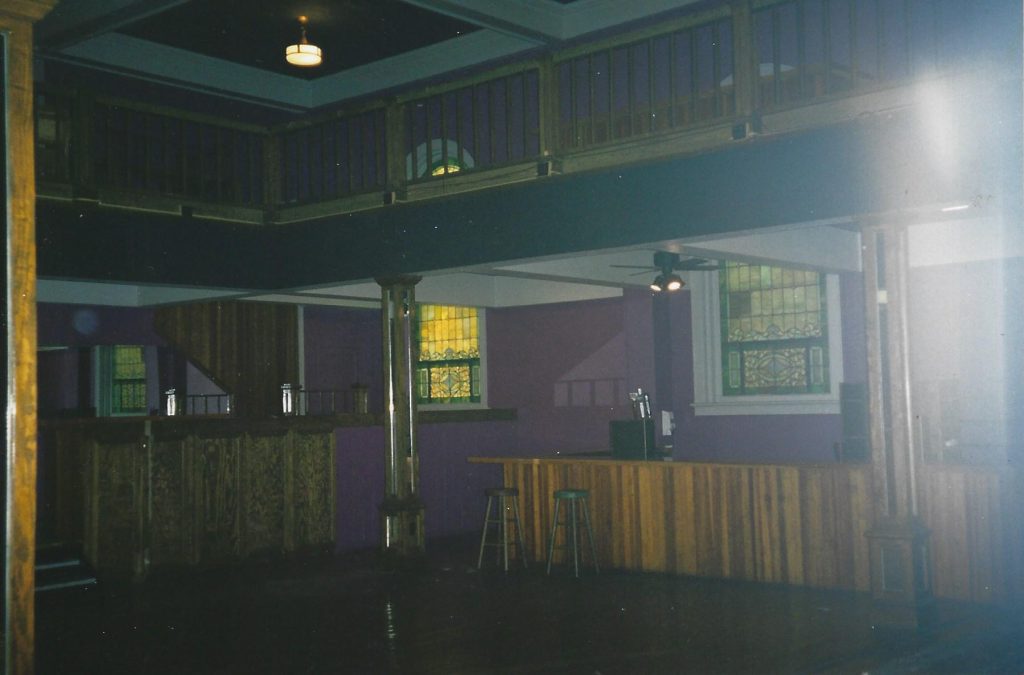
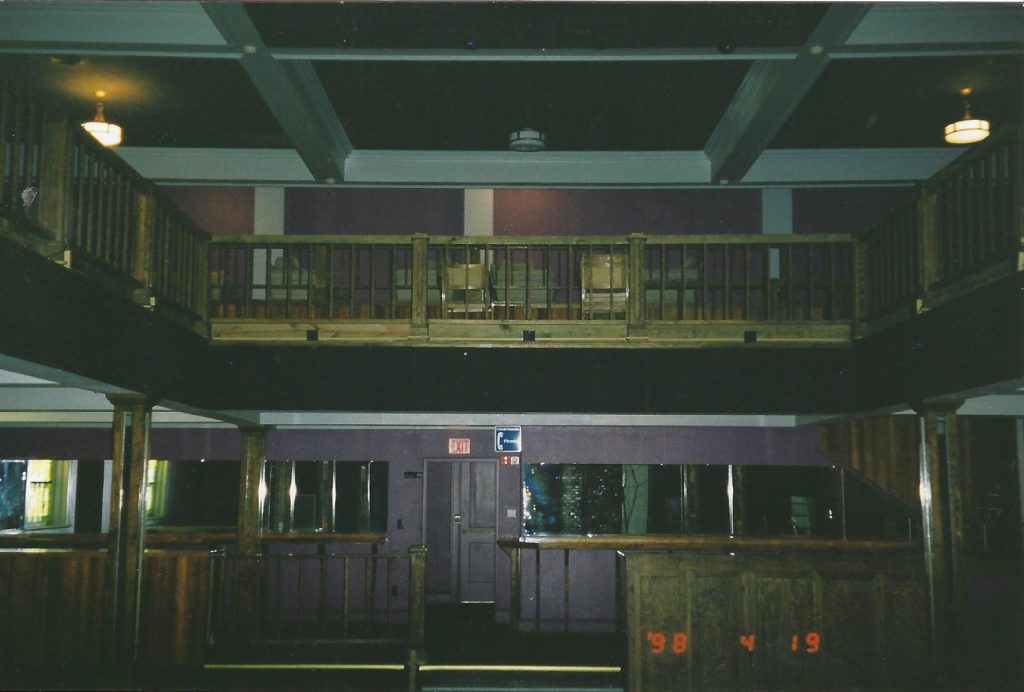
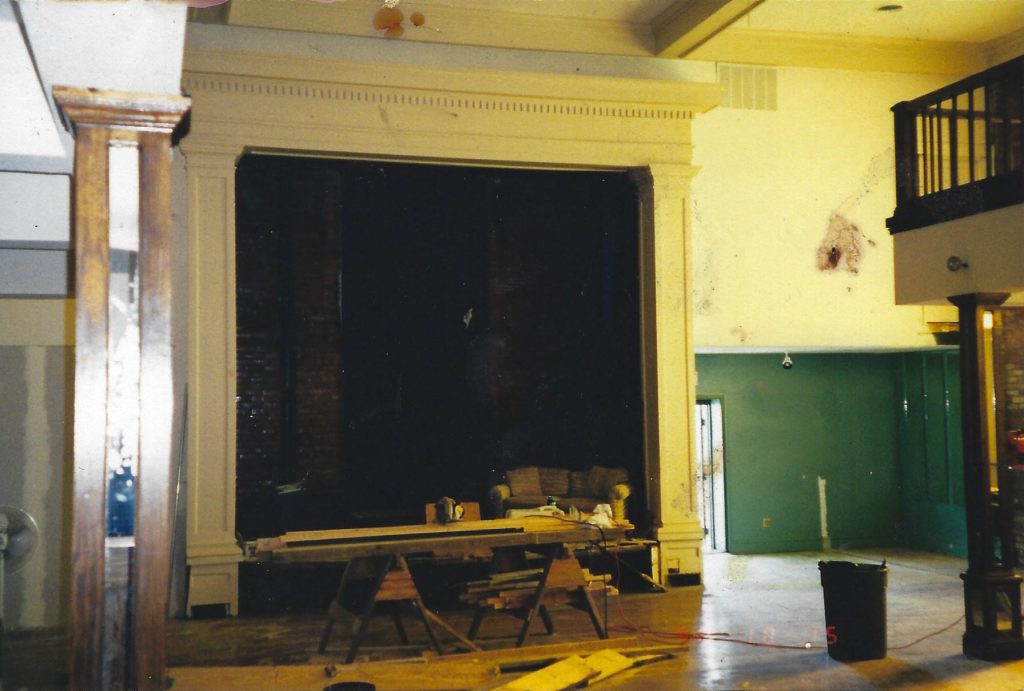
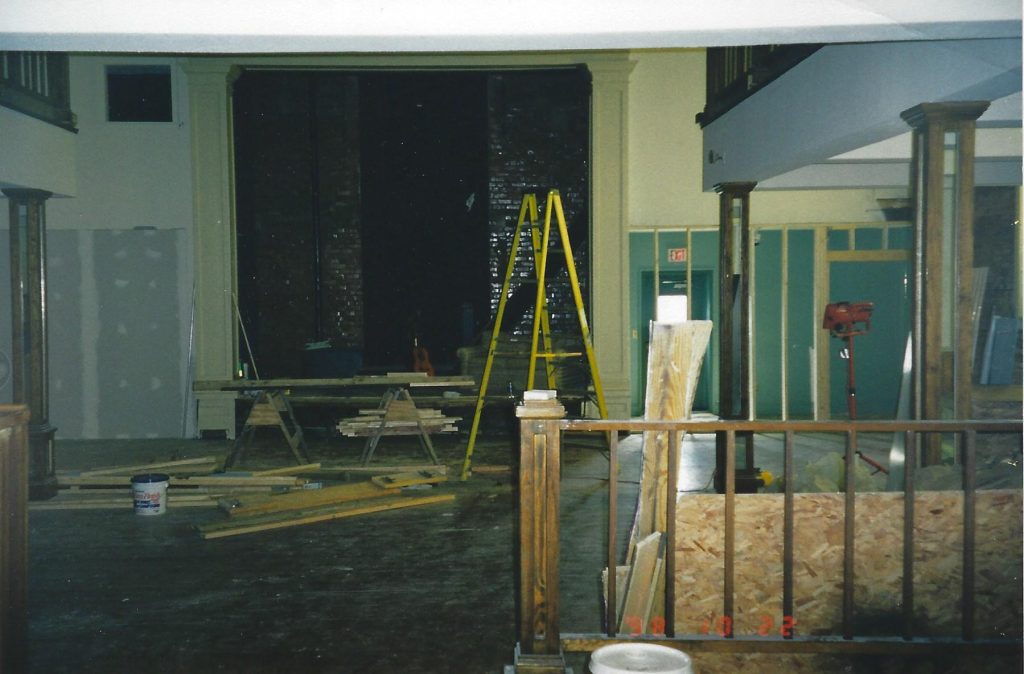
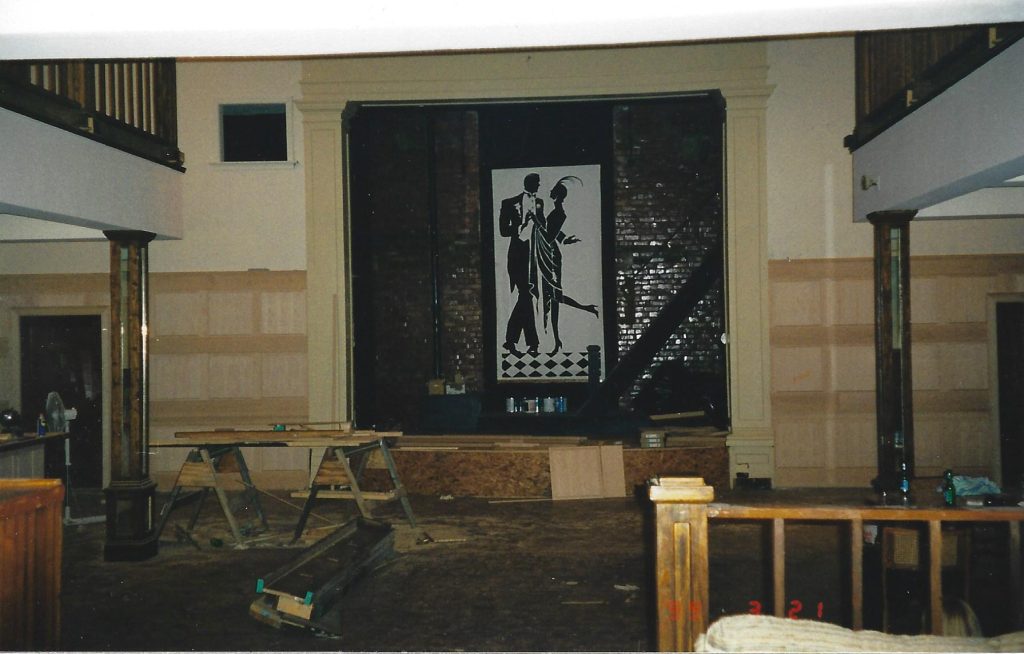
In the late 1980s and 1990s, under the ownership of Dr. Beth A. Collins, the building was reimagined as “Club 1919,” a vibrant and welcoming nightlife space. Remembered by many as a beloved community figure, Dr. Collins helped foster an inclusive, creative environment that made the club a standout destination in Roanoke. Known for its distinctive atmosphere—including dramatic interiors, stage lighting, and a disco ball—the venue became a lively and affirming queer space, hosting music, dancing, and gatherings that left a lasting impression on the local community.